“Grief is like the ocean; it comes on waves ebbing and flowing. Sometimes the water is calm, and sometimes it is overwhelming. All we can do is learn to swim.” – Vicki Harrison
Along with and also post the anger was bargaining. The bargaining lasted until the first death anniversary.
Until then, I kept telling myself I had to make it past the next milestone. The 3 months, 6 months, the birthdays, festivals and anything else we were doing for the first time without her.
It was only when we came to her First Death Anniversary and there was no milestone left, that I had nothing more to bargain.
That is when I slipped into regret, regret of not spending enough time with her, regret of not doing enough, regret of missed opportunities. Could I have done something to save her? Would she be alive if we had done things differently? The questions haunted me day and night.
And that is when depression hit me like a head-on collision. While nothing changed on the outside, I went numb from within. It was as if someone else was living my life, and I was just standing there observing what was happening. I didn’t sleep enough, I ate all the wrong things and spent my days overthinking and overanalysing every small thing.
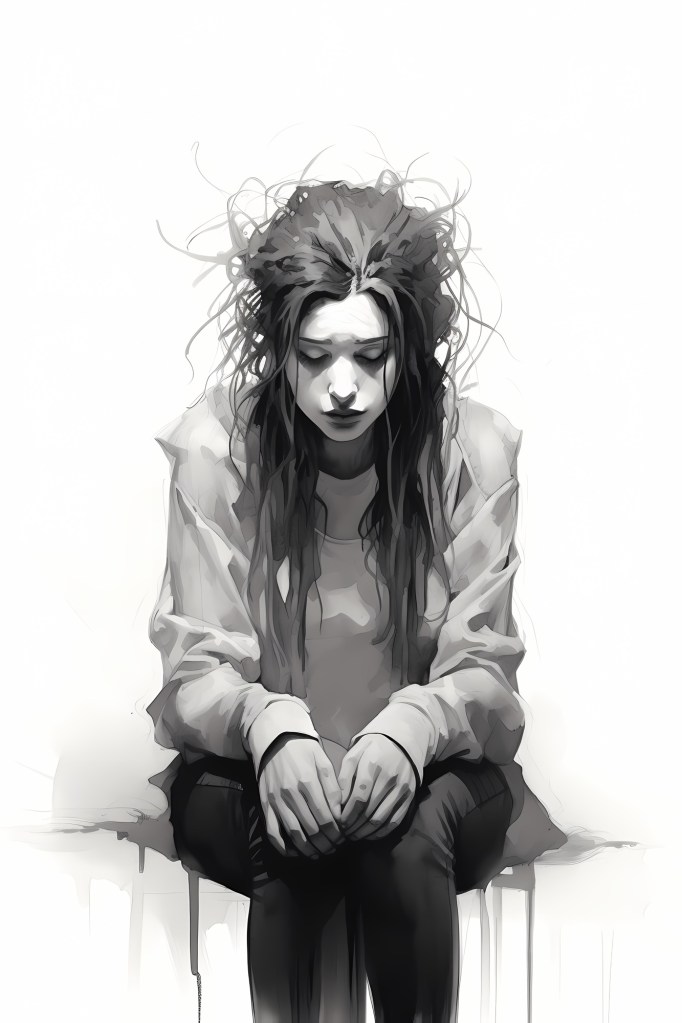
Did I understand what was happening to me? Maybe yes, on a subconscious level. But did I fully understand it? Was I equipped to deal with it? No, I wasn’t.
Where most people were expecting me to be healed and ready to move on (it had been a year, after all).
My struggle was just beginning.
It took 6 months of anxiety and insomnia, bouts of inconsolable crying followed by numbness and feeling lost, coupled with other things, for my husband and I to realise that I needed help. Professional help.
And that the day I agreed to see a psychiatrist was the day my actual healing began.
6 months of therapy later, I was finally in a space to deal with my loss, accept it and try to live with it.
Was I always crying or walking around depressed during this time?
NO
During the one and a half years where all this took place, I returned to work, started performing poetry on stage, went out with friends, went on holidays, and organised events. I took care of my family and looked after my son. I laughed, I loved, I lost my fear and reinvented myself. I did feel happiness and excitement, too.
And yet I was not OKAY.
There were no apparent signs of my grief.
People close to me knew things were not 100% okay.
They could sense that I still had to heal completely.
But apart from my husband, I don’t think anyone grasped the true extent of what was going on within me.
So am I saying that anyone who experiences grief should go for therapy?
NO

Will everyone go through the same things I did?
NO
Is there a tried and tested method to deal with grief?
NO
Then why am I writing this 5 years after everything happened?
Why am I bringing this up in the public domain?
Because we don’t talk about it enough, we don’t address it because we think everybody and everything will become alright on its own.
Because 90% of us are not equipped to deal with grief. Or even aware that there is something there to deal with.
Because unresolved grief can cause mental, emotional and physical health issues.
Because unresolved grief can affect your work, your relationships and your self-confidence.
Because we need to be more sensitive towards people who are grieving.
Because we need to be kind to ourselves when dealing with something.
Like I said in the beginning.
Grief never looks the same on 2 people.
There is no set timeline for how long one should grieve.
Some people feel more. Some people adjust better.
For some, it comes together at once; for others, it comes in parts.
Some may need counselling. For others, just a heart-to-heart talk will suffice.
For some, life becomes overwhelming, but for someone else, things get simplified.
Someone like me may want to be left alone.
While somebody else will want to be surrounded by people.
So, if you or someone you know is grieving. Just take a pause. Be aware and be non-judgmental.
Suppose you can deal with grief and come out of it well and good. But if you find yourself lost and unable to cope, don’t hesitate to take help. And if someone you know is seeking help, be supportive.
Try to understand. Try to keep an open mind.
That is all I have to say. That is why perhaps I am writing this. In the hope that this will help someone to deal with their grief.
Note: The author of this article is not a mental health expert or counsellor.
The blog is a personal opinion.
This blog should not be, in any circumstance, treated as a medical document.
Reference: The five stages of grief model was developed by Elisabeth Kübler-Ross and became famous after she published her book On Death and Dying in 1969.
Reference sites:
 PROSE TALKS
Leave a comment